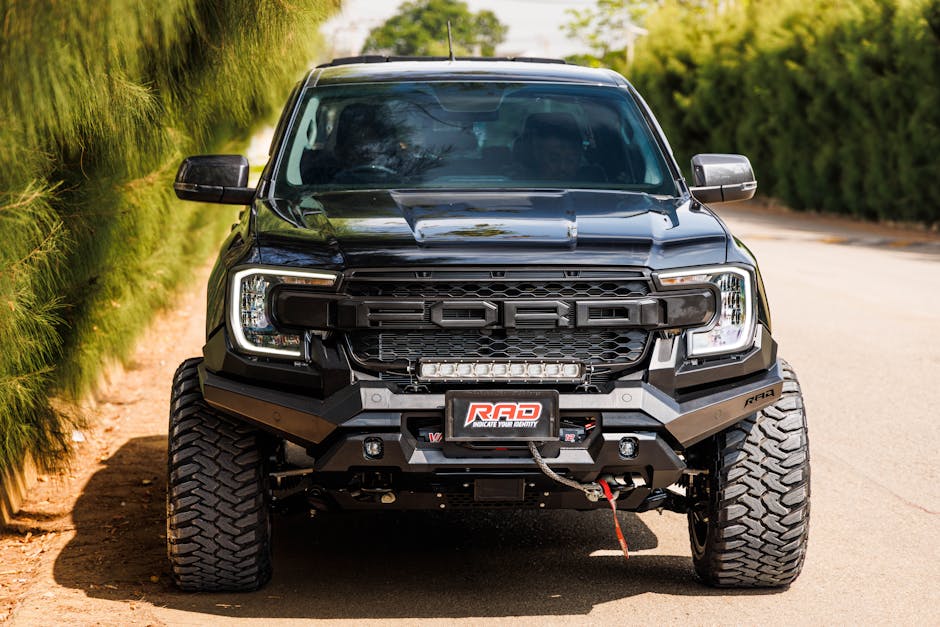
Re-engineering Resilience: ORVs as Lifeblood in Disaster Zones
From the heart of a crisis, a stark truth emerges: seconds define survival. My years wrestling with catastrophe etched this into my soul. Modified off-road vehicles (ORVs), far beyond stock Jeeps, are the vanguard of rapid response, precision-engineered for the unpredictable maelstrom of disaster. Flood-ravaged landscapes, for instance, expose the limitations of even heavily modified standard ORVs; the relentless force of churning water is a formidable adversary. Amphibious ORVs, however, transcend these limitations, seamlessly traversing both land and water, injecting hope into previously unreachable enclaves. This isn't mere adaptation; it's a revolutionary paradigm shift in delivering succor.
Consider the intricate dance of weight distribution. Compare the structural stress on an ORV laden with life-saving pharmaceuticals to one ferrying a rescue squad—a chasm separates them. Earthquake zones, with their fractured, treacherous terrain, demand robust suspension systems capable of withstanding brutal shocks without compromising stability. The suspension, acting as a critical buffer, safeguards both the vehicle and its precious cargo. Advancements in materials science, employing lightweight yet incredibly strong carbon fiber composites, significantly bolster load capacity while simultaneously enhancing maneuverability on unforgiving terrain. These innovations are not just incremental; they represent a quantum leap forward.
Communication, often the first casualty in widespread devastation, demands a proactive solution. Integrating rugged satellite communication systems transforms these ORVs into mobile command posts. Visualize a resilient network—a mesh of lifelines—where each vehicle relays vital data between isolated rescue teams and central command. This orchestrated communication minimizes redundancy and maximizes efficiency; a synchronized ballet of rescue. These aren't simply vehicles; they're mobile nerve centers, data conduits, and the crucial arteries within the body of a disaster relief operation.
Power generation becomes paramount in regions plunged into darkness. Integrating auxiliary power sources, such as solar arrays or compact generators, transforms these vehicles into mobile power stations, reviving critical equipment like medical apparatus and communication systems—turning a wasteland into a beacon of support.
Advanced Driver-Assistance Systems (ADAS), adapted for off-road environments, are revolutionizing ORV operation. Think of them as providing an extra pair of eyes and hands, offering real-time insights and support to drivers navigating the chaotic landscape. This heightened situational awareness significantly bolsters safety and optimizes resource allocation.
ORV Innovation: A Paradigm Shift in Humanitarian Aid
The evolution of ORVs in disaster response transcends incremental upgrades; it's a fundamental recalibration of our humanitarian approach. Envision these vehicles as tireless, unsung heroes, diligently delivering critical aid to those in dire need. Their seamless operation is a testament to their design, each component contributing to the overall mission's success.
ORVs offer unparalleled speed and efficiency in aid delivery. They bypass congested routes, navigating impassable terrain to reach affected areas far faster than traditional methods. The stark reality of Hurricane Katrina highlighted this; the limitations of conventional transport networks tragically hampered aid efforts. Hurricane Katrina A larger fleet of purpose-built ORVs could have demonstrably saved lives—a sobering truth underscoring the urgency of this technological advancement.
The adaptability of these vehicles mirrors the unpredictable nature of disasters. One moment, an ORV might deliver medical supplies to a flooded village; the next, it could be transporting rescue personnel to a collapsed structure. This versatility, akin to a highly specialized Swiss Army knife, maximizes the impact of relief efforts by swiftly adjusting to shifting circumstances. The flexible response minimizes delays and optimizes impact. Let us cast aside the simple "vehicle" label; these are adaptable, mobile response platforms, engineered for resilience.
Forget "luxury"—in our era of escalating, ferocious natural cataclysms, robust, all-terrain vehicles (ORVs) aren't optional; they're absolutely vital. Daily, these adaptable workhorses vindicate their existence, proving their mettle in the face of unimaginable devastation. Investing in the design and strategic deployment of specialized ORVs isn't merely spending money; it's a profound, life-affirming investment, a bulwark against the worst imaginable scenarios. Consider it preemptive life insurance on a massive scale – a proactive strategy with the potential to dramatically curtail casualties and mitigate catastrophic damage.
The key isn't replacing tried-and-true methods, but rather a strategic augmentation. These machines function as lifelines, bridging the gap between life-saving aid and the hardest-to-reach communities, often in silent heroism. Their indomitable resilience ensures that succor finds those desperately in need. Crucially, we must shed the perception of ORVs as a specialized, niche tool; instead, we must recognize their pivotal role in a comprehensive disaster relief architecture. Disaster relief Their absence severely cripples our response capabilities.
A holistic approach is paramount. It's not solely about acquiring the vehicles themselves; a comprehensive strategy encompasses the meticulous training of highly skilled personnel, the establishment of robust, reliable supply chains, and the seamless integration of ORVs into pre-existing emergency protocols. We must transcend the antiquated "add-on" mentality; ORV integration must be woven into the fabric of disaster preparedness, not tacked on as an afterthought. Anticipating the unforeseen is essential. Furthermore, fostering a collaborative ecosystem among governments, non-profit organizations, and cutting-edge technology firms is crucial to developing and deploying innovative solutions that fully harness the potential of these multifaceted machines. Carbon fiber composites This synergy is paramount for seamless integration and the efficient, effective utilization of ORVs in the disaster response infrastructure.
